Protect Yourself from Bank Impersonation Scams
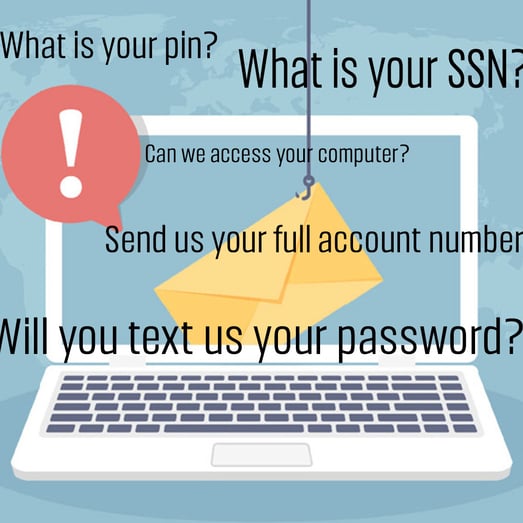
Fraudsters are constantly looking for new ways to exploit trust and gain access to personal and financial information.
Within the past year the FBI has issued a Public Service Announcement warning citizens of the increase of cyber criminals impersonating financial institutions to gain credentials and ultimately steal funds.
At OceanFirst Bank, your security remains our top priority. We encourage you to stay informed about these schemes and learn how to recognize the warning signs before fraudsters have an opportunity to target you.
How Bank Impersonation Scams Typically Work
Fraudsters contact consumers while pretending to be representatives from their bank or another trusted organization. Their goal is to create fear and urgency, convincing victims to provide access to accounts or authorize fraudulent transactions.
1. Unexpected Contact
You receive a phone call, text message, or email claiming to be from your bank regarding suspicious activity, a locked account, fraud concerns, or another urgent matter.
2. Creating a Sense of Urgency
The scammer pressures you to act immediately to "protect" your account or prevent financial loss. They may warn that your funds are at risk or that immediate action is required.
3. Requesting Sensitive Information
The fraudster may ask for:
- Online banking usernames or passwords
- One-time passcodes
- Multi-factor authentication codes
- Debit or credit card information
- Personal identifying information
4. Attempting to Gain Access or Influence Transactions
The scammer may instruct you to:
- Provide security codes sent to your phone
- Transfer funds to a "safe" account
- Click a link directing you to a new or unfamiliar banking website
- Download software, browser extensions, or remote-access applications
- Approve transactions they claim are necessary to secure your account
5. Account Compromise or Financial Loss
Once access is obtained, criminals may:
- Log into online banking
- Change account settings
- Initiate unauthorized transfers
- Use your information for identity theft
- Gain access to additional financial accounts
What OceanFirst Will Never Ask You For
For your protection, OceanFirst Bank will never contact you and ask you to:
❌ Provide your online banking username or password
❌ Share a one-time passcode or multi-factor authentication code
❌ Transfer funds to another account to "secure" your money
❌ Provide your debit card PIN
❌ Click a link to access a "new" internal bank website
❌ Download software that allows someone remote access to your device
❌ Disclose personal information in response to an unexpected call, text, or email
❌ Authorize transactions to "reverse" or "stop" fraud
If anyone claiming to represent OceanFirst Bank requests any of the information above, end the communication immediately and contact us directly using a trusted phone number.
Warning Signs of a Bank Impersonation Scam
Be cautious if someone:
- Creates pressure to act immediately
- Threatens account closure or financial loss
- Asks you to keep the conversation confidential
- Requests passwords or security codes
- Instructs you to transfer money
- Directs you to unfamiliar websites
- Claims your money needs to be moved to a "safe" account
Legitimate financial institutions will encourage customers to verify requests and will never pressure them into making immediate financial decisions.
What To Do If You Receive Suspicious Contact
If you receive a suspicious call, text message, email, or voicemail:
Stop and Verify
- Hang up or do not respond.
- Do not click links or open attachments.
- Do not provide personal information or security codes.
Contact OceanFirst Directly
Use a trusted phone number from:
- The back of your debit card
- Your account statement
- The official OceanFirst Bank website
Report the Incident
Provide as much information as possible, including:
- The phone number, email address, or text message used
- The date and time of contact
- Any instructions provided by the caller
- Any information you may have disclosed
Reporting suspicious activity can help protect both your account and other customers from becoming victims.
Protecting Yourself Every Day
A few simple habits can significantly reduce your risk of becoming a victim:
- Enable multi-factor authentication whenever available.
- Monitor account activity regularly.
- Set up account transaction alerts.
- Use strong, unique passwords.
- Be cautious of unexpected communications.
- Verify requests independently before taking action.
- Pause and think before responding to urgent messages.
When in Doubt, Contact Us
While you may occasionally receive legitimate communications from OceanFirst Bank regarding your accounts, products, services, or important updates, we encourage you to remain cautious and independently verify any unexpected request involving personal or financial information.
Fraudsters rely on urgency and fear. Your best defense is to slow down, verify, and contact us directly whenever something doesn't seem right.
We remain committed to helping our customers stay informed, protected, and one step ahead of fraud. If you have any questions or concerns, please contact contact us directly.
Visit our Security & Protection page for more information about protecting yourself, your business, and to learn about common fraud scams.
Lorem Ipsum Dolor Sit Amet
Lorem ipsum dolor sit amet, consectetuer adipiscing elit. Donec odio. Quisque volutpat mattis eros. Nullam malesuada erat ut turpis. Suspendisse urna nibh, viverra non, semper suscipit, posuere a, pede. Lorem ipsum dolor sit amet, consectetuer adipiscing elit.
Lorem Ipsum Dolor Sit Amet
- Lorem ipsum dolor sit amet, consectetuer adipiscing elit
- Donec odio quisque volutpat mattis eros viverra
- Nullam malesuada erat ut turpis suspendisse urna nibh