Holiday Scams
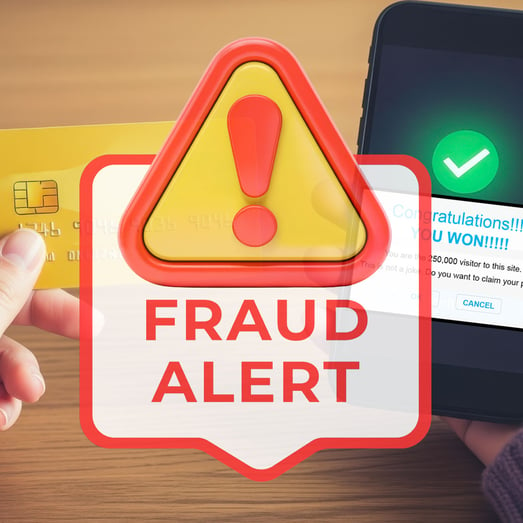
At OceanFirst Bank, protecting our customers from fraud is a top priority. While the holiday season is a time for celebrating with family and friends, it's also one of the busiest times of year for scammers.
Did you know that New Jersey, New York, and Pennsylvania were in the top 20 states for internet-based crimes complaints in 2025, according to the FBI? Scammers love the holidays for more than just hot chocolate and cheer – they want to get your holiday money and, like the Grinch, steal your presents.
Here are the top holiday scams landing on the naughty list this year:
Phishing and Smishing Scams
So many emails and texts highlighting holiday sales! It’s important to be on the lookout for phishing or smishing scams, where attackers pretend to be a legitimate organization to get your sensitive information, like your debit or credit card information or your online banking credentials.
Phishing and smishing scams are a year-round threat, and around the holidays, scammers try even harder to trick us, knowing that we are busy and distracted, making our lists and checking them twice. Just like your lists, make sure you carefully check any emails or texts at least twice to verify their legitimacy! Avoid clicking on any links in unsolicited emails or texts, even if they seem urgent. Instead, take a moment to verify the sender’s authenticity by contacting the company directly, using confirmed phone numbers or websites.
Fake Online Stores
When you’re looking for the perfect gift at the right price, fake stores and lookalike stores are looking for you, your money, and your information. These websites look legitimate, and often offer merchandise at deep discounts. Some of these “shops” are just looking to steal your money for the purchase, by taking payment and never sending your order. They may also steal your credit card and other information to commit more fraud and identity theft.
What are some red flags?
- Bargain-basement prices: If a price seems too good to be true, it likely is.
- Newly created websites, or website addresses with extra words or characters or unusual domains, like .bargain or .app, instead of .com or .net.
- Missing contact information or return policies: Who can you contact if something goes wrong?
Protect yourself by using trusted sites rather than shopping with a search engine. Double check website and app names – small typos here are a scam giveaway, but easy to miss. Carefully read delivery, exchange, refund, and privacy policies – if they are vague, hard to find, or not there at all, take your business elsewhere.
Package Delivery Scams
Delivery notification scams continue to grow, and always surge around the holiday season. This can be perpetrated via call, email, or text. How do they pull this one off?
- Text or email messages designed to look like they are from a legitimate mail or package carrier, with fake tracking links, which may ask you to enter personal information or even install malware on your system.
- Voicemail messages providing a callback number so you can receive your delivery; these numbers may have high connection fees and expensive per-minute rates.
- Requesting payment in order to get your package delivered.
How do you make sure these scammers get coal instead of your money? If you receive a message about an unexpected delivery or a delay in delivery, slow down. Check the link before clicking for any misspellings. When in doubt, call or go to the legitimate website for the service so you can get accurate information.
Gift Card Scams
Scammers love gift cards because they are untraceable, and the money cannot be recovered once the scammers have the card details. In 2025 gift cards fell within the top three most prevalent payment methods for scams, according to the FTC. Common gift card scams include:
- Telling people to pay a fee with a gift card to avoid being in trouble with the law or creditors, to make a utility payment, or to have their computer “debugged.”
- Pretending to be a family member or saying a family member is in trouble.
- Sending fake emails pretending to be a colleague or supervisor asking an employee to purchase gift cards for other employees and supply the numbers.
The big rule to keep in mind? If someone demands to be paid with a gift card, it’s a scam.
Charity Scams
The spirit of giving increases around the holidays, and unfortunately, so do charity scams. Charity scams can take place online and over the phone. Common charity scams include:
- Pressure to donate immediately.
- Requests for payment by gift card, wire transfer, or crypto currency.
- Vague descriptions on how donations are used.
How can you protect your donation dollars? Always research any charity before you donate, donate directly through verified charity websites, and never donate by gift card, cryptocurrency, or wire transfer.
Stay Safe While Holiday Shopping
If you are opting to shop in person this year, remember these tips to stay safe:
- Always park in well-lit areas and pay attention to your surroundings when returning to and loading your vehicle.
- Don’t leave your vehicle with purchased gifts in plain view. Lock them in your trunk or cover them.
- Avoid carrying large amounts of cash.
- Only bring the debit or credit cards you plan to use.
- Check your bank statements regularly during the season to spot suspicious activity.
At OceanFirst, we want to help keep you and your money safe. If you think you may have been scammed by one of these popular holiday scams, please contact us directly.
Visit our Security & Protection page for more information about protecting yourself, your business, and to learn about common fraud scams.
Wishing you a safe and scam-free holiday season!
Lorem Ipsum Dolor Sit Amet
Lorem ipsum dolor sit amet, consectetuer adipiscing elit. Donec odio. Quisque volutpat mattis eros. Nullam malesuada erat ut turpis. Suspendisse urna nibh, viverra non, semper suscipit, posuere a, pede. Lorem ipsum dolor sit amet, consectetuer adipiscing elit.
Lorem Ipsum Dolor Sit Amet
- Lorem ipsum dolor sit amet, consectetuer adipiscing elit
- Donec odio quisque volutpat mattis eros viverra
- Nullam malesuada erat ut turpis suspendisse urna nibh